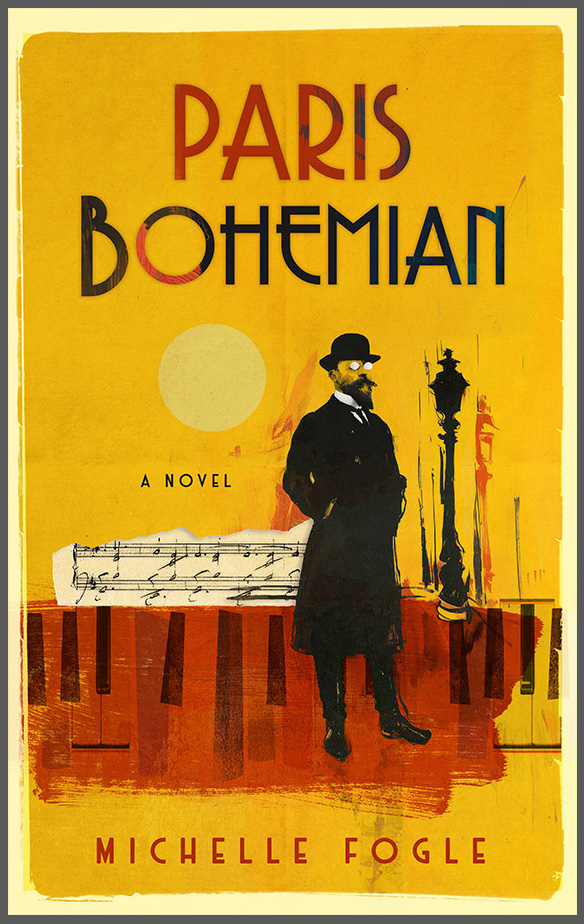
Paris Bohemian
In Gilded Age Paris, where art is religion and poverty its price, two young bohemians collide in a chance encounter that will change the course of modern music. Erik Satie — eccentric, expelled, and eking out a living at the Montmartre cabaret Le Chat Noir — revels in the creative chaos of the city’s avant-garde. Claude Debussy, newly returned from a disappointing Prix de Rome residency, is suffocating under the weight of tradition and desperate for inspiration.
Their meeting sparks an instant kinship. Together they launch a rebellious crusade against the stale institutions and narrow-minded critics who police French music. In their cramped rooms and smoky cafés, they push each other toward bold new sounds — until Debussy’s breakthrough, Afternoon of a Faun, catapults him to fame and leaves Satie wrestling with envy and self-doubt.
Debussy promises to lift Satie with him, offering to orchestrate his work and bring it to a major stage. But admiration curdles into rivalry when Satie discovers Debussy has plagiarized his ideas. Their bond fractures further when a rising renegade, Maurice Ravel, champions Satie as the true inventor of the modern sound — and dismisses Debussy as passé.
As Debussy’s star dims and illness shadows his final years, Satie ascends, composing at a feverish pace and stepping into the spotlight of the Belle Époque. When World War I erupts, the artistic world shifts again: Diaghilev commissions Satie to collaborate with Picasso and Cocteau on the radical Cubist ballet Parade, provoking Debussy’s public outrage and a final, irrevocable break.
In the war’s last months, Debussy succumbs to cancer, and Satie is asked to write his tribute — a farewell to a friend, a rival, and the man who shaped his artistic destiny.
A vivid portrait of genius, jealousy, and the birth of modern music, Paris Bohemian captures the tempestuous friendship that redefined an era — from the cabarets of Montmartre to the dawn of the Jazz Age.